Parallel Flange Channels

Designed for superior load-bearing performance, our universal beams ensure reliability and efficiency for all your construction projects.

  • Available in a wide range of sizes
  • Cut to length available
  • Nationwide delivery
  • Competitive trade pricing

PFC Beams – Parallel Flange Channel
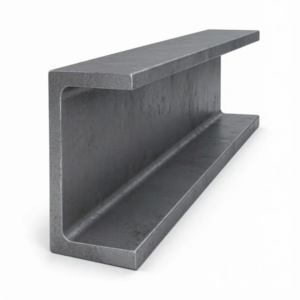
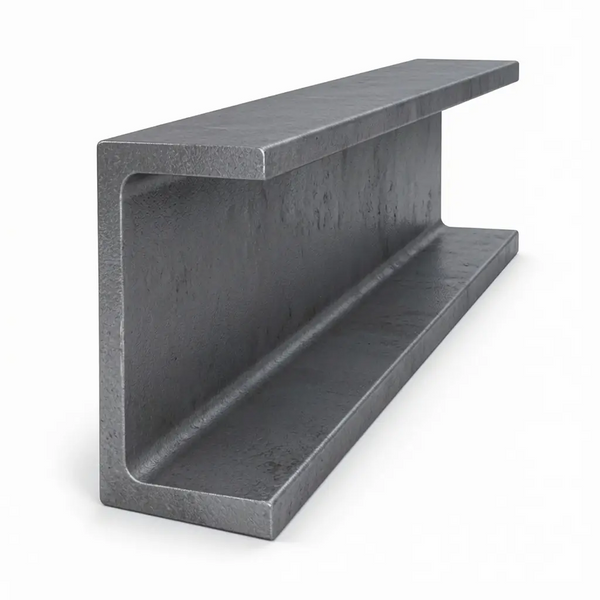
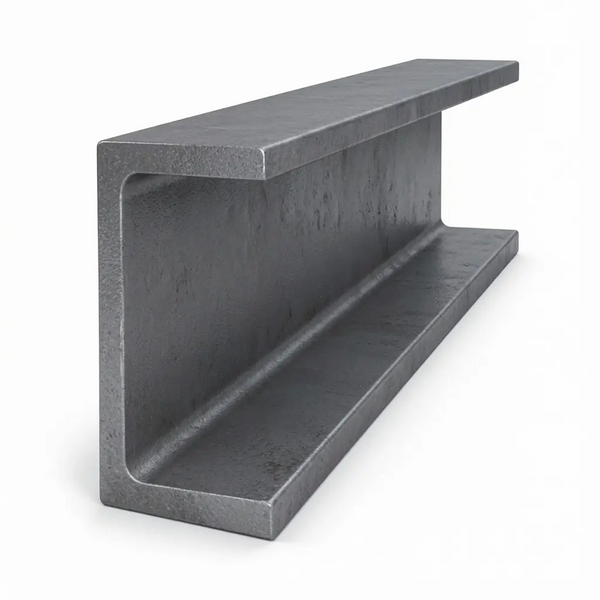
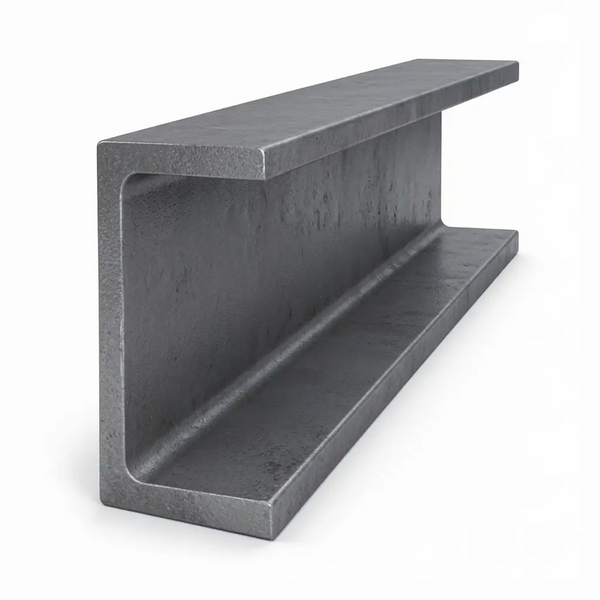
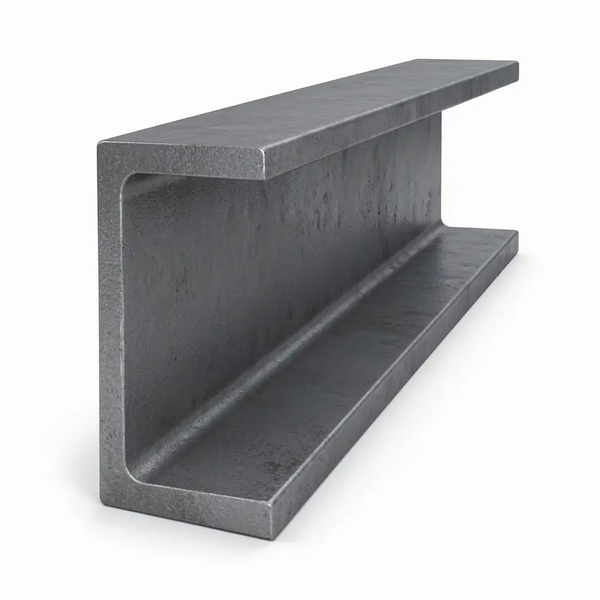
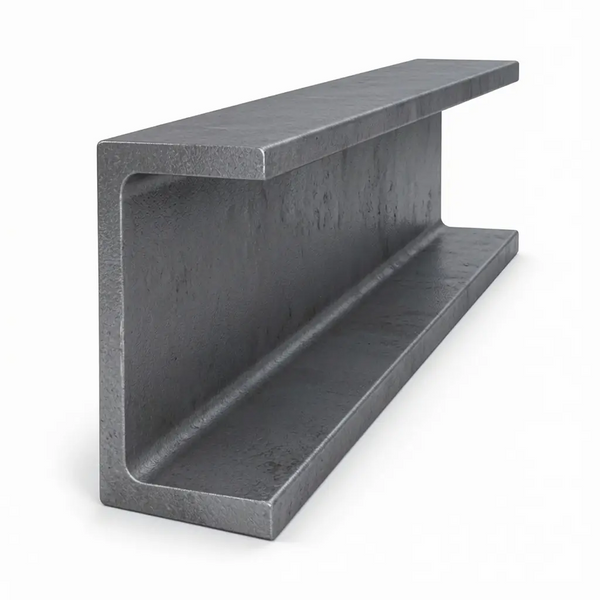
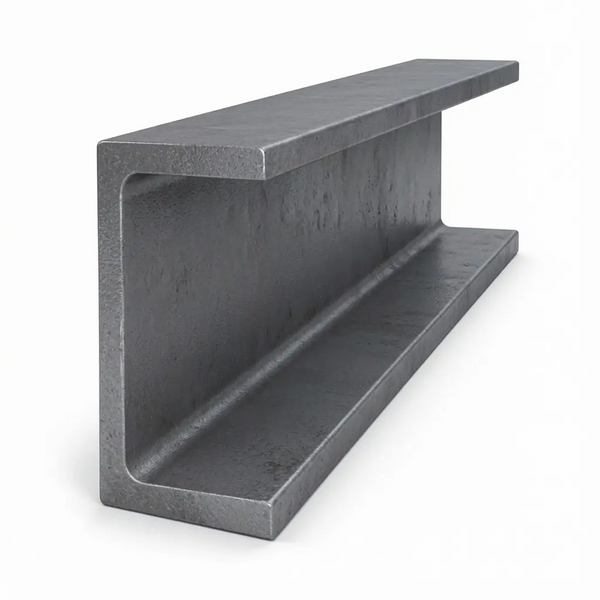
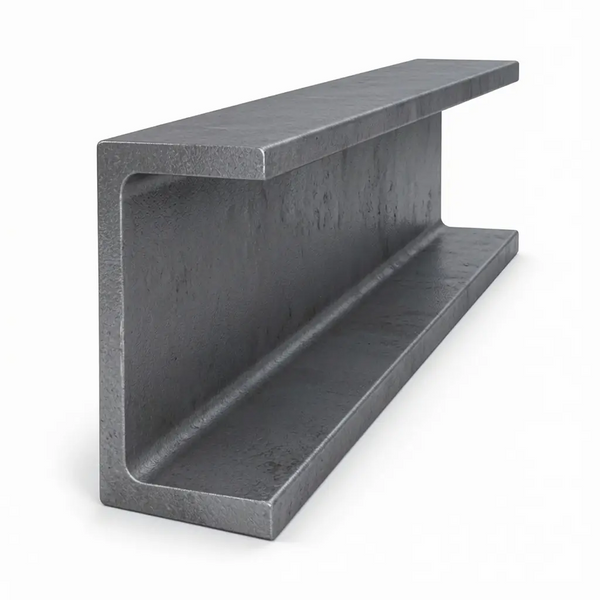
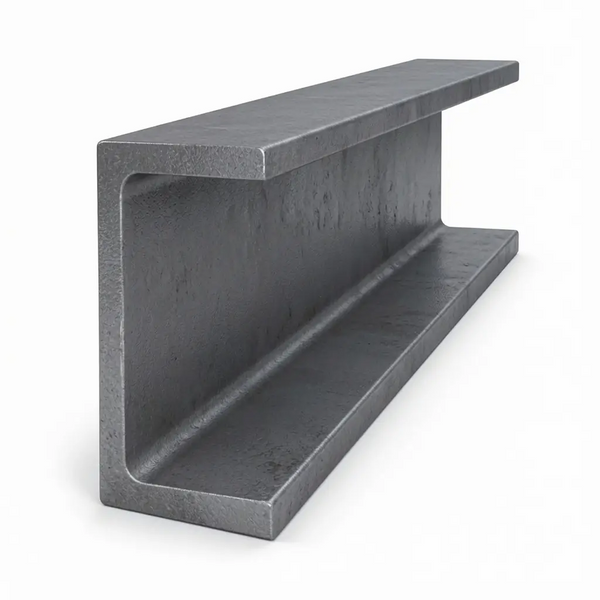
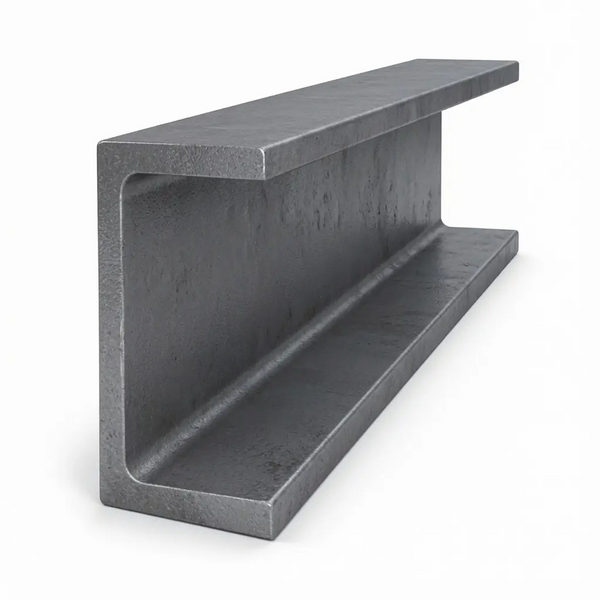
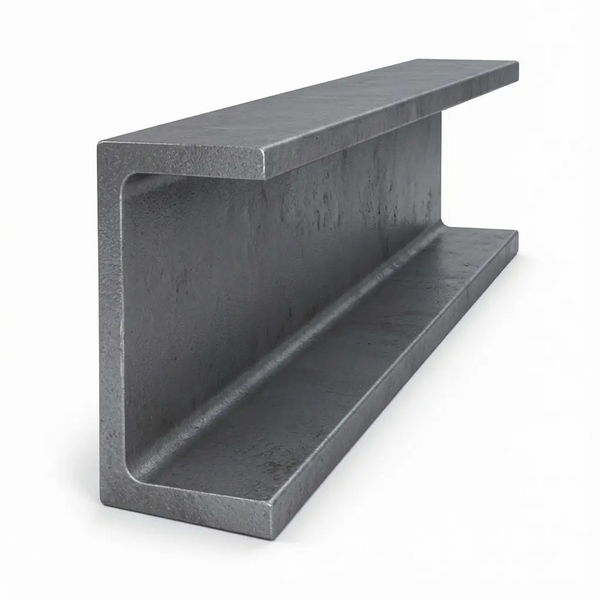
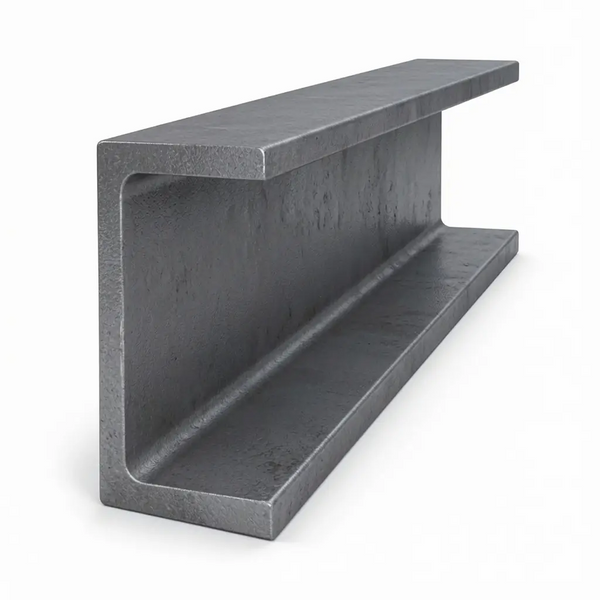
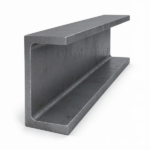
Parallel flange channel is normally called a channel or a “C-section”. They are described by their depth, width and weight per metre in kilograms, eg. 150 x 75 x 18 PFC.

The PFC is used for columns, lintels above doors or simply a steel beam supporting floor joists. When used for lintels, they have a bottom plate welded to it that takes the outer bricks or 2 channels are bolted back to back with 100 mm spacers to support both leafs of a cavity wall.

Examples of products in our range

It’s simple – buy online, use the calculator or get in touch with our advisers.

Common applications for Parallel Flange Channels

Construction and Structural Framing

Parallel Flange Channels (PFC) are commonly used as beams, columns, and horizontal supports in steel-framed buildings due to their excellent load-bearing capacity and ease of connection.

Infrastructure and Engineering Projects

They serve as purlins, girts, and structural elements in bridges, warehouses, and industrial sheds, providing efficient spanning capabilities with parallel flanges for straightforward bolting.

Industrial Machinery and Equipment

PFC sections are widely applied in the fabrication of machine frames, conveyor systems, vehicle chassis, and heavy equipment bases where high strength and torsional rigidity are required.

Architectural and General Fabrication

Parallel Flange Channels are frequently utilized for stair stringers, window and door frames, brackets, and various architectural supports, valued for their clean lines and versatile welding properties.

PFC Size Chart (Parallel Flange
Channel available profiles and grades)

No. Type Weight [kg/m] Height [mm] Width [mm] Web thickness [mm] Flange thickness [mm]
01 100 x 50 x 10 PFC 10.2 100 50 5.0 8.5
02 125 x 65 x 15 PFC 14.8 125 65 5.5 9.5
03 150 x 75 x 18 PFC 17.9 150 75 5.5 10.0
04 150 x 90 x 24 PFC 23.9 150 90 6.5 12.0
05 180 x 75 x 20 PFC 20.3 180 75 6.0 10.5
06 180 x 90 x 26 PFC 26.1 180 90 6.5 12.5
07 200 x 75 x 23 PFC 23.4 200 75 6.0 12.5
08 200 x 90 x 30 PFC 29.7 200 90 7.0 14.0
09 230 x 75 x 26 PFC 25.7 230 75 6.5 12.5
10 230 x 90 x 32 PFC 32.2 230 90 7.5 14.0
11 260 x 75 x 28 PFC 27.6 260 75 7.0 12.0
12 260 x 90 x 35 PFC 34.8 260 90 8.0 14.0
13 300 x 90 x 41 PFC 41.4 300 90 9.0 15.5
14 300 x 100 x 46 PFC 45.5 300 100 9.0 16.5
15 380 x 100 x 54 PFC 54.0 380 100 9.5 17.5
16 430 x 100 x 64 PFC 64.4 430 100 11.0 19.0

Fabrication services available

To simplify installation and reduce site labour, Liontek can provide:

  • Cut to length
  • Beam drilling
  • Connection plates
  • Base plates
  • Steel fabrication
  • Custom structural assemblies

How we work

Request a quotation

Send your dimensions, drawings or project requirements.

Review specifications

Our team prepares a tailored quotation and confirms technical details.

Fabrication and preparation

Materials are processed and prepared to specification.

Nationwide delivery

Your order is delivered directly to site anywhere in the UK.

FAQ

What is a Parallel Flange Channel?

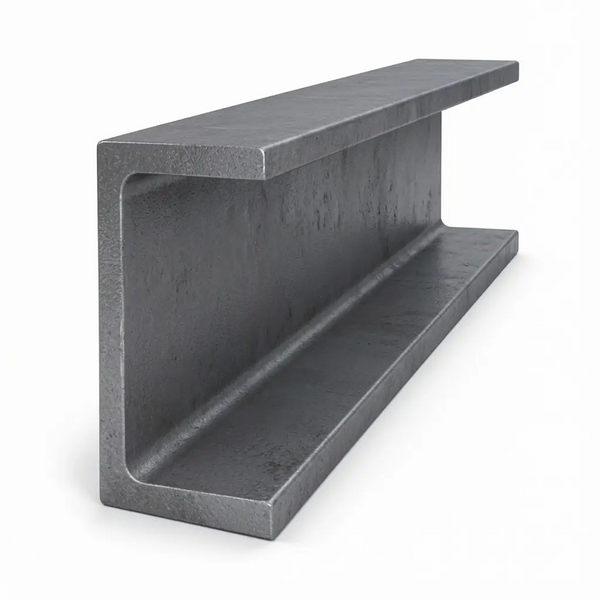
A Parallel Flange Channel (PFC) is a C-shaped structural steel section with a flat web and two flanges that run parallel to each other. Sections are described by depth, width and weight per metre — for example, 150 x 75 x 18 PFC. The open profile leaves one face flat and the other clear, which makes the PFC useful wherever steel has to sit tight against masonry, timber or another member.
What are Parallel Flange Channels used for?

PFC sections are widely used as lintels above door and window openings, as beams supporting floor joists, and as columns, edge beams and trimmers in steel-framed structures. They are also common in fabrication work — stair stringers, machine frames, equipment bases and heavy brackets — and as purlins and girts in warehouses and industrial buildings.

How are PFC lintels used in cavity walls?

For a single-leaf opening, a channel usually has a bottom plate welded to it so the outer brickwork can bear on the steel. For a cavity wall, two channels are commonly bolted back to back with 100 mm spacers between them, allowing both leaves of the wall to be supported by one assembly. We can supply either arrangement fabricated and ready to install.

What is the difference between a PFC and a Universal Beam?

A Universal Beam has an I-shaped section, symmetrical about its centre, and carries load equally on both sides of the web. A PFC is open on one side, giving a flat back and an accessible channel. Where a UB is the usual choice for a clear span, a PFC suits positions where one face needs to sit flush against another surface, or where the open profile makes connections and bolting easier.

Can Parallel Flange Channels be cut to length and fabricated?

Yes. We cut PFC to any length you specify and can drill holes to your setting-out, weld on bottom plates, end plates and base plates, make up back-to-back assemblies with spacers, and apply protective or decorative finishes before dispatch.

Why are the flanges parallel rather than tapered?

Older channel sections were rolled with tapered flanges, which meant bolts, packers and cleats had to be shimmed or shaped to sit square. Parallel flanges have a consistent thickness across their width, so fixings bed flat, connections go together without special washers, and fabrication is quicker and more accurate.